
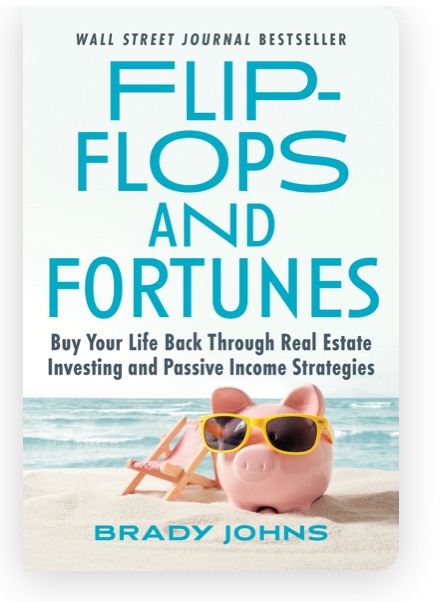
Resolution 2024 – Read a book every month.
This book is available in major retail and online stores but I found this audiobook on my company’s learning portal. Why not listen to it since it is down season at work and I wanted to learn something that interests me.
Below are what I learnt in a nutshell.
Chapter 1: You should never stop learning about money and how it could work for you.
Especially when the rate of standard of living rises faster than the rate of earned income. Money in the bank ultimately lead to the paradox of thrift so it is important to not just sustain but beat inflation and still live comfortably after retirement.
Yup, I have been pondering about life and what life will be if I have to stop working. It scares me.
Will I be able to retire at ease or do I need to sell tissue paper or clear tables at hawker centres if I no longer have a job and still need to work after 70?
Chapter 2: Rich is not a goal.
What is your definition of rich?
Twenty years ago, I would think having a million dollars in overall assets is rich. In Singapore now, even government housing on the resale market can be sold above a million.
What is the point of being asset rich but cash poor? It is only a matter of time before we hit a million in overall assets but do we feel rich? Nah. I still feel poor af.
Instead, focus your goal on financial independence. Financial independence is, all my debts are paid off and I do not need to worry about when the next pay check is coming in. If I lose my job tomorrow, I can survive on my dividends and rental income and I don’t need to worry about getting the next job as fast as I possibly can.
Chapter 3: Keep Your Day Job. And Get a Second One.
The author did mention that this doesn’t work if you are already maxed out having two to three hourly paid jobs.
I kept saying I have three jobs but I don’t get stable income from real estate so it is not a job. However, my events management business does give me some form of stable side income.
Hence, I had a meeting with my business partner and we panned out 2024 events schedule that we can profit from.
Chapter 4: Earned, Investment, Passive
Systems rewards people who invests. Overtime, we want more investment income than earned overtime.
This prompted me to relook at the excel sheet I started more than 10 years ago which I recorded all the investments I’ve made.
Right now, I’m only making 10 percent of my earned income from my investments. I am far from financial independence.
Hence, I contacted a co-broke agent and made a purchase to expand my real estate portfolio overseas that brings me 8 percent guaranteed returns a year. Glad I kept my license and made connections in the real estate industry.
Chapter 5: Compound interests is the 8th wonder of the world
“Slow investment is like eating your vegetables.”
Think our CPF OA, SA and SRS. I contacted one of my event partner who is a financial advisor and plan out my next non real estate investment regarding my SRS account. Reducing tax is less of a concern.
FD with my bank is only at 3.2 percent currently but with the power of compounding, it will grow, so I put my son’s ang pow money in FD and set it in auto renewal mode of principal and interest after it matures in 12 months time. I made a mental note not to change the setting anymore until he turns 21.
Slowly, steadily and surely. Rich little boy…
Chapter 6: Get a Money Mentor
Millionaires do not make it alone. We all have blind spots. Money mentors can see obstacles you can’t. Ask for help from smart seasoned experts.
I am on a look out for a money mentor!
Chapter 7: Borrowing Money When You’re Broke
Don’t borrow if you don’t have a solid plan.
Borrow from people and not banks. It forces you to enrol people into your idea. Practice on your pitch.
The idea of borrowing from people scares me. Maybe I need to grow some skin and start reaching out to more friends on making investments.
Chapter 8: Start (or Invest in) a Business
It is hard work and it helps to cultivate personal relationships.
Examples are being a grab driver, invest in companies like an angel investor or VCs etc.
Side hustle is not a second job. Get a side hustle that helps you reach your financial goals. Places that gives you knowledge and skills, places that offers stocks and shares.
In short, your day job pays the monthly bills but sink the money from side hustles into your investments or travel fund. ✅
Chapter 9: What Every Investor Should Know
Set a goal and shy away or commit to lifelong learning.
Learn and be open about Working saving spending investing income.
You got to do your due diligence.
Record your Profit & Loss ✅ I do this diligently on my real estate and businesses way before coming across this audiobook.
Never be afraid to admit a mistake and walk away from a bad deal.
Don’t think about glamour and brands when doing long term investing.
Chapter 10: How to Get Started Investing
Do not manage your own property yourself. Be a real estate investor. Not a landlord.
Buy a property and keep it. Almost never sell it. RE will always be worth more overtime.
Equity. Downpayment, renters paid is profit.
Positive cash flow – Cover mortgage and pay off in time.
Financing is your friend. Pay it outright versus getting a loan.
No flippers. TV poisoned our minds.
Chapter 11: Why You Should Get Started as an Investor
Try investing. Put money in endowment, stocks and shares or even on a property with friends.
If you want something more than now, you should start investing rather than rely on earned income.
After reading this, I have a better idea on where I want to be. I want to be an investor to achieve financial independence overtime. I will keep my current day job, invest in property that is managed by a company, review my stocks and shares and start compounding interests.
 Memoirs of a Singapore Auntie 新阿姨传记